.png)
Most people don’t think much about dental treatment until something starts hurting.
A tooth suddenly becomes sensitive while drinking tea. A filling breaks while eating. Gums begin bleeding during brushing. Sometimes it’s not even pain. A person simply looks in the mirror one morning and realizes a tooth has changed shape or color. That’s usually when the search begins.
Some people immediately think of hospitals because hospitals feel bigger and more official. Others look for a nearby private dental clinic because the process feels easier and less tiring.
After asking friends or relatives, the confusion often becomes worse instead of clearer.
One person says hospitals are safer. Another says private clinics give better care. Someone complains about hospital waiting hours. Someone else says private clinics are expensive. The truth sits somewhere in between.
Both hospitals and private dental clinics have their place. The better option depends on the treatment needed, the patient’s comfort level, and the kind of experience someone expects during care.
Still, for regular dental treatment, many patients today naturally lean toward private clinics because the overall experience feels simpler and more personal. That shift did not happen by accident.
The Environment Feels Different
The first difference people notice is usually the atmosphere.
Hospitals are busy almost all the time. Patients move constantly through hallways, departments stay crowded, announcements keep playing in the background, and waiting areas rarely feel calm. Dental care becomes one small section inside a much larger medical setup.
Some people like that because it feels serious and structured. Others feel tired before treatment even starts.
Private dental clinics usually feel quieter. The waiting area is smaller, appointments move in a more controlled way, and the entire visit often feels less rushed. That changes how patients behave during treatment.
A nervous patient sitting inside a crowded hospital for an hour may feel far more anxious by the time treatment begins. In a calmer clinic setting, the same person may feel much more relaxed. This matters because dental fear is already common.
People may not always admit it openly, but many adults still feel uncomfortable before dental procedures. The surroundings can either reduce that stress or increase it.
Waiting Can Become Exhausting
People underestimate waiting time until they experience it personally.
A hospital visit can easily take several hours, even for a simple consultation. Registration, token systems, department queues, scans, billing counters, and follow-up movement all add time slowly throughout the day. For patients already dealing with pain, the experience becomes frustrating quickly.
Private clinics usually feel more direct. You arrive, wait for a shorter period, speak with the dentist, and begin treatment faster. That convenience matters more than it sounds.
Working professionals often cannot spend half a day at a hospital for routine dental care. Parents bringing children also prefer quicker appointments because children become restless very fast in crowded waiting areas.
Older patients feel the same way. Long waiting periods become physically tiring. People often remember how exhausting the process felt, not only the treatment itself.
Clinics Usually Feel More Personal
One thing patients notice quickly in private clinics is familiarity.
You generally meet the same dentist repeatedly during treatment. The dentist remembers previous discussions, understands the patient’s concerns, and already knows what treatment was done earlier. That continuity changes the experience quietly.
Patients do not need to explain their history from the beginning during every visit. Conversations feel easier and more natural after some time.
Hospitals sometimes feel more system-based. A patient may interact with different doctors, assistants, departments, or interns during separate visits. That structure works perfectly fine medically, but emotionally, it can feel less personal. For treatments stretching across months, this difference becomes important.
Braces, aligners, implants, smile correction, gum treatment, and root canal procedures usually involve repeated visits. Seeing the same dentist regularly helps patients feel more comfortable over time. Trust builds gradually through familiarity.
Bigger Does Not Always Mean Better Technology
A lot of people assume hospitals automatically have better dental technology because the buildings are larger. That idea is outdated now.
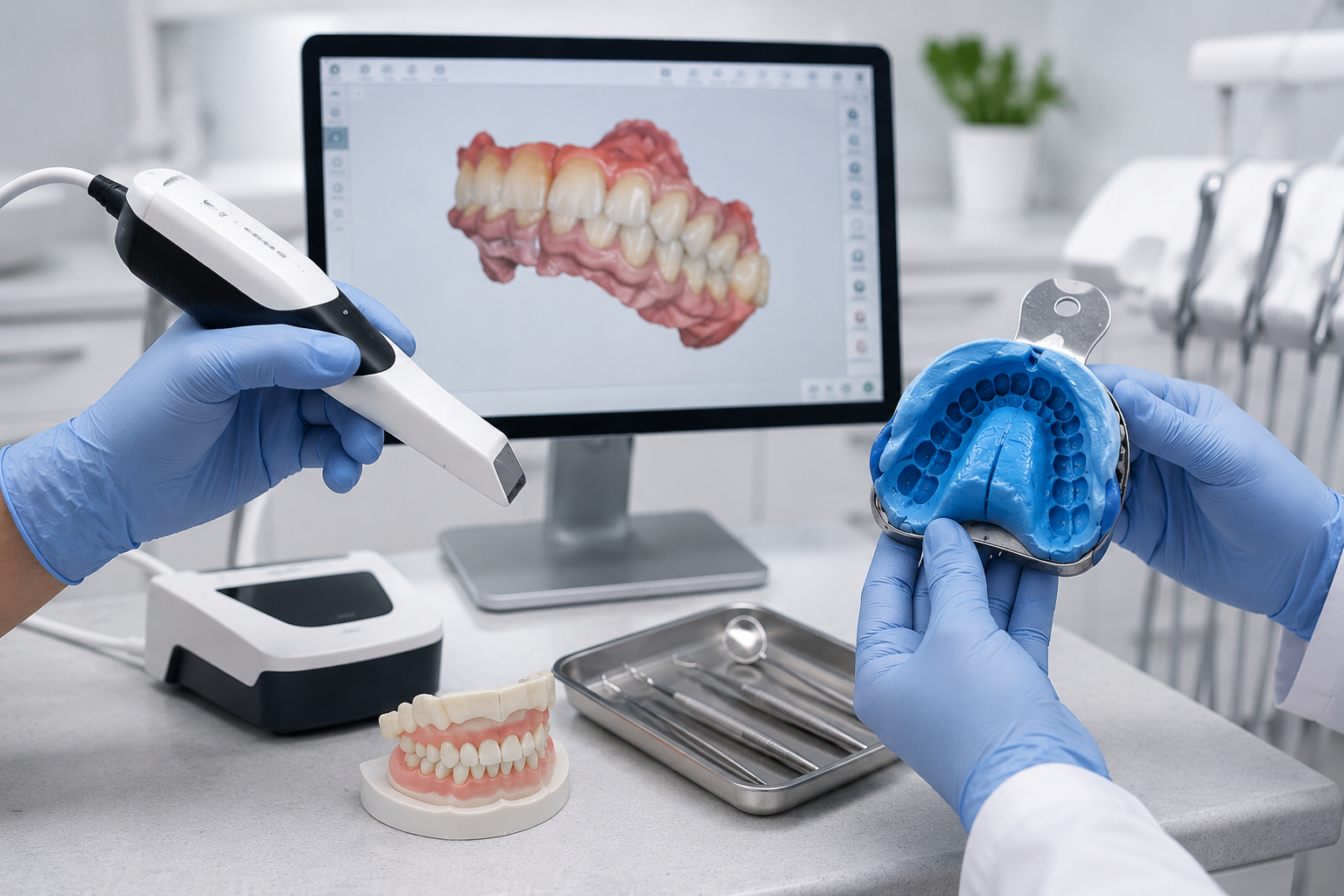
Many modern private dental clinics use advanced digital tools every day. Digital scans, intraoral cameras, laser dentistry, 3D imaging, and computer-based treatment planning are common in several clinics today.
Some hospitals absolutely have excellent dental departments, too.
But the presence of advanced technology depends more on how updated the individual facility is, rather than whether it is called a hospital or clinic.
Patients sometimes become surprised after visiting smaller clinics that look modern and highly organized inside. The treatment experience itself often matters more than the size of the building outside.
Hospitals Matter In Serious Medical Situations
Hospitals become extremely important when dental problems are connected with larger medical conditions.
For example, patients with major infections, facial injuries, severe swelling, jaw fractures, uncontrolled diabetes, heart conditions, or surgical complications may genuinely need hospital-based care. In those situations, access to multiple medical departments helps significantly.
Emergency trauma care especially belongs inside hospitals because larger support systems are available immediately if complications appear. That does not mean private clinics cannot handle advanced treatment. Many do.
But medically complicated situations sometimes require broader healthcare coordination, and hospitals are designed for that environment.
For routine dental treatment, though, most patients usually do not need that level of medical infrastructure.
Children Often Respond Better In Clinics
Children notice atmosphere faster than adults do. A noisy hospital filled with unfamiliar sounds, crowded spaces, and long waiting times can make young patients nervous almost immediately. Once fear starts building, even simple treatment becomes difficult.
Private clinics often feel easier for children because the setting is calmer and less overwhelming. Staff interactions may feel softer, and appointments generally move faster.
Parents usually notice the difference clearly after the first visit.
A child who feels comfortable during early dental experiences is far more likely to continue regular dental visits later in life. That matters more than many people realize.
Follow-Up Visits Feel Simpler
Dental treatment rarely finishes in one sitting.
Even basic procedures sometimes need follow-up checks. Larger treatments almost always involve multiple visits spread over weeks or months. This is where private clinics often feel easier to manage.
Scheduling tends to be more flexible. Communication is usually more direct. Patients can contact the clinic more comfortably if discomfort appears after treatment or if appointment changes become necessary.
Hospital systems sometimes feel slower during follow-up care because everything moves through larger administrative structures.
Again, this does not mean hospital treatment is poor. It simply changes the convenience level during long-term care. Patients dealing with repeated visits generally notice this difference very quickly.
Cost Depends On More Than The Building
A hospital’s pricing structure will typically be less expensive than a private clinic. This comparison can be deceptive for someone shopping around for healthcare services. Hospitals generally provide much lower initial consultation fees than private healthcare providers. However, the cost of treatment has many variables, not just the cost of your first appointment.
The materials used, the complexity of your treatment, the dentist’s experience, the technology used to perform the procedure, and the way your appointment is structured affect how much you will pay for a dental treatment.
For instance, while two crowns may look the same on paper, the quality of the materials used to make the crowns will greatly affect how your treatment turns out.
Understanding what you will receive as a patient is much more valuable than trying to comparison shop by price. Just because you receive the least expensive treatment does not mean the cheapest option will provide you with the most value in the long run.
Comfort Changes The Entire Experience
People usually remember how the treatment felt emotionally.
They remember whether someone listened properly. They remember whether the dentist explained things clearly. They remember whether the environment felt stressful or calm. Comfort affects cooperation during treatment, too.
A relaxed patient usually responds better during procedures compared to someone already tense before treatment even begins.
That is one reason many patients gradually move toward private clinics for regular dental care. The process simply feels easier to handle mentally.
Not perfect. Just easier. And honestly, when someone already has dental pain or fear, that difference matters a lot.
Care At Onedentall
At Onedentall, the goal is to make dental visits feel less stressful and more comfortable from the beginning.
Many patients delay treatment because they expect long waiting periods, rushed consultations, or uncomfortable experiences. A calmer setting and clear communication often change that feeling completely.
Whether someone visits for cleaning, aligners, gum treatment, implants, cosmetic correction, or routine dental care, personalized attention helps patients feel more confident throughout the process.
Good dental care is not only about treating teeth. It is also about helping patients feel comfortable enough to return without fear later.
FAQs
1. Is a private dental clinic better for regular dental treatment?
Many patients prefer private clinics for regular dental care because appointments usually feel faster and more personal.
2. Are hospitals safer for dental procedures?
Hospitals are very useful for medically complicated dental cases or emergencies involving larger health concerns.
3. Why do people choose private dental clinics over hospitals?
Patients often choose clinics because the atmosphere feels calmer and less crowded during treatment visits. Seeing the same dentist regularly also helps patients feel more relaxed over time.
4. Do private dental clinics use modern dental technology?
Yes, many modern private clinics now use digital scans, advanced imaging, and updated treatment methods regularly.
5. Are dental treatments cheaper in hospitals?
Some hospitals may have lower consultation costs, but total treatment pricing depends on materials and procedure type.
_O1D2jGG.png)
_4PGBK7c.png)
_D4INuQY.png)
_2Tips8C.png)