_I0wgEi7.png)
Very few people walk into a dental clinic feeling completely at ease. In fact, even a person going in for a standard cleaning appointment is likely carrying some level of latent apprehension about their visit (and they might not even realize it).
They might fear the idea of the pain, cost, potential need for future treatments, or maybe the dentist will bring them bad news regarding the state of their teeth. Whatever the specific worry is, this aspect of dentistry is not as talked about as it perhaps should be, yet it fundamentally affects the way the patient experiences their dental visit.
However, at the core of a truly excellent dental clinic visit lies not a collection of cutting-edge technologies or beautifully designed rooms, but rather a feeling of comfort, assurance, and being completely looked after.
Most patients, within minutes of walking into the clinic, have a sense as to whether the space feels professional, calm, and patient-centered or disorganized, impersonal, and chaotic.
A dental clinic experience should, in the end, alleviate dental anxiety rather than increase it. Patients should walk away from the clinic with a better understanding of their health and oral concerns, be more comfortable making informed decisions about treatment, and be more likely to attend their next cleaning without fear.
Patients Should Be Comfortable Asking Questions
One of the most important elements of a positive dental clinic experience is how the patient interacts with the dentist or hygienist. Patients often walk into an appointment with concerns they are afraid to voice early on in the consultation:
Will it hurt? Is treatment really needed? Are there any alternatives to the recommended treatment? How urgent is the condition? A good dental clinic will encourage patients to be open about their concerns and will provide them with the opportunity to ask these types of questions in an environment free from judgment.
Dentists usually understand that the average person doesn't understand medical jargon, and explanations should be delivered in a manner that is easy for a layman to grasp without sounding condescending or overly technical. Patients are far more likely to trust recommendations if conversations around treatment plans feel transparent.
Hygiene Should Be Visible
It may not seem obvious to a patient who lacks a dental background, but hygiene and sterilization techniques are critically important to them. The best dental clinic experiences are ones where attention to hygiene is obvious throughout the office.
Clean waiting rooms, organized and clean treatment rooms, proper protective equipment for dentists and hygienists, and efficient instrument sterilization techniques all contribute to patient safety and an increased sense of well-being while in the clinic. In addition, given the intimate nature of a dental appointment, it's important for patients to observe clean and professional practices during procedures.
Patients do not need the dentist to talk about hygiene procedures; they should just feel the professional manner in which all hygiene is executed.
The Consultation Should Not Feel Rushed
This is an issue many people face during their dental visit. A good dental experience should allow adequate time to discuss concerns with the dentist, undergo examination, and have treatment plans explained before committing to the procedure.
An experienced dentist will take time to consider your dental history, any existing problems, and patient concerns before starting the necessary treatment, especially if you are seeking dental implant surgery, cosmetic dentistry, dental aligners, or complex restorations where long-term effects are a major consideration.
Following a discussion, patients should be able to walk away understanding the problem, why treatment is required, any potential alternatives, and the expected outcome. Ultimately, this will lead to patient trust and satisfaction in their treatment plan.
Comfort is a Priority at Good Dental Clinics
Patient comfort should go beyond simply the absence of pain during the procedure. It should include how the patient is treated and spoken to throughout the experience and whether the dental team acknowledges nervousness, offers reassuring words, and allows the patient ample time to understand why the treatment is needed, how it is performed, and what they should expect post-operatively.
Good dentists understand when to approach their patients' anxiety and tailor their communications accordingly. Patients often remember how they were made to feel, both emotionally and physically, throughout the duration of their appointment, far more than the specifics of the procedure itself, which further translates into greater trust and compliance.
Technology Should Not Be Overwhelming For the Patient
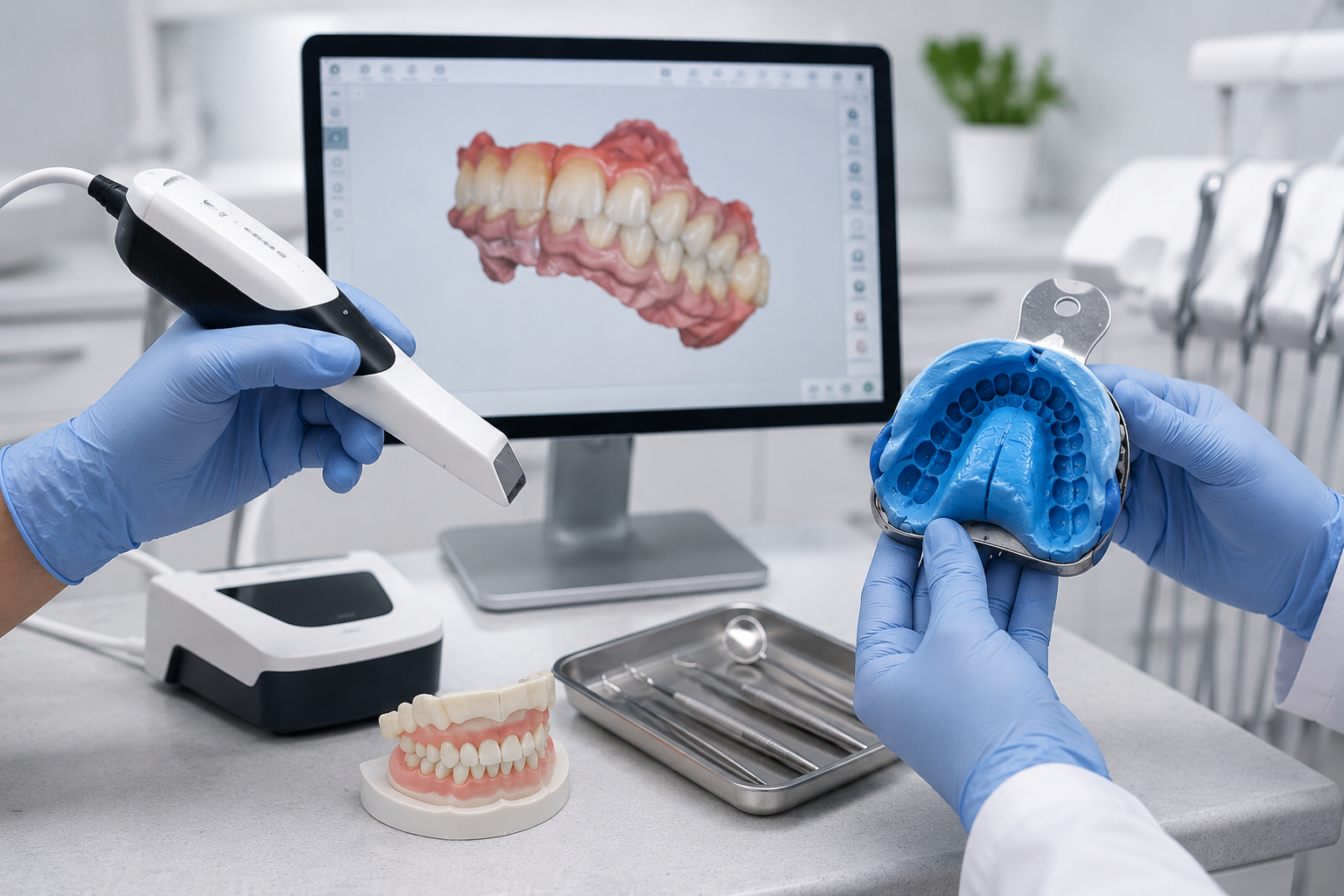
While modern technology, such as digital imaging, X-rays, and scans, has improved diagnosis and treatment planning, the way that the technology is utilized by the dentist is what makes it beneficial to the patient.
This technology should be used by the dentist to allow you to better visualize what is going on in your mouth. Seeing the results on screen rather than trying to rely solely on the explanation from the dentist makes patients more likely to feel comfortable with their diagnosis and the recommended plan.
Treatment Plans Should be Personalized
A great dental experience means that a dentist should consider the patient's specific situation, needs, priorities, and financial limitations when developing treatment plans.
While one patient might be interested primarily in preserving the function of their teeth for long-term oral health and another might be primarily concerned with cosmetic appeal, an excellent dentist will address each of these unique patient concerns. Personalizing treatment plans leads to patients who are more confident in their choices.
Follow-up Care is Crucial
Patients have long-term concerns and questions. A good dental clinic will offer patients comprehensive support after their appointment, especially after complex treatments such as implants, extractions, or dental aligners.
Detailed post-operative instructions, reliable follow-up care, and continued communication between patient and dentist should be a given. This provides patients with reassurance that they are still being looked after.
At Onedentall, Patient Comfort and Clear Communication are Central Priorities
Many people feel more confident during appointments at a dental clinic when the dentist is easy to communicate with, and the atmosphere is organized, calm, and focused on the patient. This is what the Onedentall clinic strives to deliver through structured conversations, detailed patient information, up-to-date dental resources, effective infection control, and customized treatment planning.
Whether you're coming in for a routine cleaning, restorative work, orthodontic care, cosmetic surgery, or simply need a regular check-up, these factors can help make your visit go much more smoothly. After all, at the heart of successful dentistry is patient trust.
The Best Dental Clinic Experience Is Not All About The Technology Or Procedures Performed.
Most patients will not remember the specific tools used in a dental visit; what they do remember is the overall experience they had.
Patients should have a dentist who can communicate well with them, who will ensure the environment is as clean and organized as possible, who gives a thorough and comprehensive consultation, who ensures the patient is not in pain while treatment is provided, and who is honest in their communication regarding dental concerns and possible procedures.
A good dental clinic will encourage patients to seek treatment by educating them on the benefits rather than creating fear around what treatment needs to be carried out.
Good dentists will strive to gain the patient's trust through various methods of making the appointment more comfortable for them, such as letting the patient know they have no need to be afraid when attending their appointment, and more besides.
Similarly, the most rewarding dental appointments are those that have managed to establish trust with a patient and have formed a strong relationship with them over a period of time.
Conclusion
A positive experience within the dental practice will not just be dependent upon advanced technology or effective methods of treatment, but also on how patients are treated. Communication clarity, cleanliness of clinic, organized appointments, the level of comfort, and honesty/trust are all crucial factors within the dental experience, which can be found.
Dentists are responsible for more than just dental treatment in general, and patients may have to reveal personal health information, feelings about personal health, and any potential insecurities, and major life decisions may have to be made.
Where a patient feels confident, they will be much more likely to continue with good oral hygiene. An excellent dental appointment starts with an excellent introduction.
FAQs
1. What makes a dental clinic experience feel comfortable for patients?
Clear communication, calm staff behavior, organized treatment planning, visible hygiene standards, and patient-focused care usually improve the overall experience significantly.
2. Why is communication important during dental visits?
Good communication helps patients understand their condition, treatment options, timelines, and expected results more confidently during consultations.
3. How do hygiene standards affect patient confidence?
Clean treatment rooms, sterilized equipment, and organized clinical environments help patients feel safer and more comfortable during dental appointments.
4. Should patients ask questions before treatment begins?
Yes, patients should feel comfortable asking about procedures, alternatives, treatment urgency, recovery expectations, and long-term oral health effects.
5. Why does personalized treatment planning matter in dentistry?
Personalized planning helps ensure treatment recommendations match the patient’s oral condition, priorities, comfort level, and long-term dental goals.
_O1D2jGG.png)
_4PGBK7c.png)
_D4INuQY.png)
_2Tips8C.png)