
Kids' dental problems often come to notice only when kids complain of pain. In fact, most parents are surprised to know that dental issues in children start when their first tooth erupts. Most common dental problems are a result of poor oral hygiene, daily routines, and diet. Infant tooth decay, early childhood caries, gum irritation, improper teeth alignment, and many other dental issues can be avoided through early detection and guidance from pediatric dentistry.
This blog explains the five most common dental problems in children, what causes them, and the early signs parents should watch for.
What are Childhood Dental Problems?
These are the issues that affect a child’s teeth or gums during the growing years. These problems can show up in the form of tooth decay, cavities, swollen gums, plaque buildup, and so on. These problems are a result of consuming too much sugary food and poor brushing habits. In infants, oral health problems may arise because of improper feeding routines, such as bottle feeding at night or letting milk sit on the teeth for long periods.
Childhood dental problems are a serious concern as baby teeth are softer than adults and the chances of them getting damaged are higher in kids. So, knowing what kids’ dental problems are helps parents take necessary action at the initial stage
Common Dental Problems in Infants and Young Children
1. Early Childhood Caries
Early childhood caries represents the most common type of tooth decay that affects the milk teeth in infants. The tooth decay process begins when bacteria and sugar remain on teeth for extended periods, which results in the formation of tiny holes and dark spots. The untreated condition leads to painful symptoms and results in difficulty for the patient to eat.
2. Nursing Bottle Caries
Nursing bottle caries develops when a baby is put to sleep with a bottle of milk, formula, or juice. The liquid stays on the teeth for hours and slowly damages the enamel. The condition known as bottle mouth syndrome serves as the primary reason for bottle feeding tooth decay.
3. Breastfeeding Cavities
Breastfeeding cavities develop when infants feed excessively without any tooth cleaning after each session. The practice of breastfeeding remains beneficial to health, yet any milk that remains on teeth after feeding creates a higher chance of tooth decay when dental care is insufficient.
4. Milk Teeth Decay
Milk teeth decay is part of many childhood dental problems. Because baby teeth are more fragile than adult teeth, they are more susceptible to damage from sugary foods and poor brushing techniques. The condition leads to problems with speech development, chewing abilities, and the permanent teeth's emergence.
5. Gum Problems and Bad Breath
Due to the accumulation of plaque and lack of oral care, some children develop gum irritation and pediatric halitosis (bad breath). The first symptom of not cleaning the mouth well is swollen or bleeding gums.
Causes of Dental Problems in Children
The causes of dental issues in kids are many. In children who are breastfed, the problem begins with improper feeding routines. Babies are put to sleep with a feeding bottle on, so cleaning of the mouth after feeding does not happen, and this results in tooth decay. In toddlers and little grown-up kids, poor brushing and flossing can be the reason for several dental problems and bad breath.
Food also plays a major role in oral care. Frequent consumption of chocolates, sweets, snacks, and sugary drinks leads to the growth of bacteria on teeth, which further weakens the enamel, causing tooth cavities and tooth decay.
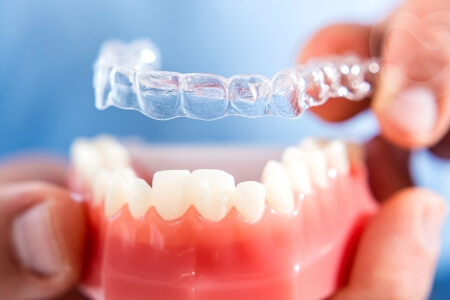
Misaligned teeth can also be a cause of dental concerns. This unnatural tooth development makes cleaning difficult, letting plaque build up more easily.
Early Signs Parents Should Watch For
Parents should look out for these early signs of dental concerns in children:
- White, brown, or dark spots on the teeth
- Bad breath that does not go away after brushing
- Red, swollen, or bleeding gums
- Sensitivity to hot, cold, or sweet foods
- Tooth pain or discomfort while chewing
- Kids stop eating or chewing on one side of their mouth because of pain
- Children experience difficulty sleeping because their mouth hurts
- The teeth show visible holes or damage
If any of these signs appear, it is best to address them early to avoid more serious oral health problems later.
When Should Parents Seek Professional Care?
When the early signs do not improve within a few days or get worse despite taking proper care, parents ought to seek professional help for their kids. A pediatric dentist must be consulted if your child experiences pain in the teeth while eating or doing daily activities. You should take your child to a dentist when bad breath and gum inflammation do not improve even after taking proper oral care at home. In fact, it is recommended for parents to take their kids for regular dental checkups to monitor tooth development and get timely help to prevent serious problems in future.
How Pediatric Dentistry Helps Prevent Dental Problems
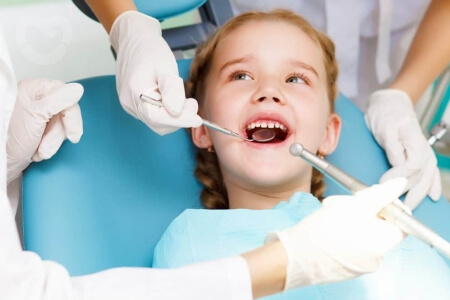
This field of dental care focuses on the oral health of children. Pediatric dentists are trained to handle kids carefully, examine their dental problems, and provide necessary treatment gently. When a child visits the dentist, dental professionals examine the child for first indications of dental caries, gum disease and other dental problems. The staff demonstrates to parents proper methods of maintaining their child's oral health and teaches them about appropriate feeding practices.
Tips to Protect Your Child’s Teeth
Parents can ensure the health of their kids’ teeth by inculcating proper oral hygiene habits.
- Cleaning gums and teeth in infants to prevent plaque buildup
- Avoiding bedtime bottles
- Encouraging children to brush twice daily
- Limiting sugary foods and drinks
- Encouraging rinsing the mouth after eating
- Taking kids for regular dental checkups
Take Charge of Your Child's Oral Health Today
You, as a parent, play an important role in maintaining the health of your children’s teeth and gums. Teaching and sharing good oral health practices with children, recognising the signs of a problem with children’s teeth, and understanding when to take children for a dental checkup can prevent common problems with teeth. Such small and simple actions can ensure that your child has healthy teeth and a bright smile.
Frequently Asked Questions
1.Is bottle feeding bad for babies?
Bottle feeding is not harmful, but yes, some routines are. Letting the baby sleep with a bottle of milk, especially at night, can be the reasons for oral problems. It is important to clean the gums and teeth after feeding to avoid plaque buildup.
2.When should a child start brushing their teeth?
As soon as the first tooth appears, you should start brushing your kids' teeth using a soft cloth and small brushes with soft bristles. As the child grows, brushing twice a day is important to prevent plaque buildup, staining, and bad breath.
3.Can dental problems in childhood affect permanent teeth?
Yes. Untreated decay in baby teeth can damage developing permanent teeth and cause alignment problems later.
4.How often should children go for dental checkups?
Children should visit a dentist every six months, or as advised by the dentist. Regular checkups help detect the early signs and take necessary steps. It also helps keep track of teeth's development.
5.Pediatric Dentist vs. General Dentist: What is the Difference?
A pediatric dentist is trained to treat children’s teeth and growth, whereas a general dentist treats people of all ages but does not specialize in child dental care.