
A radiant smile is definitely appealing. However, prior to using strips, gel, or professional teeth whitening, you most likely ask yourself one significant question: Is teeth whitening safe?
The truth? Well, yes, it is, but like anything to do with your teeth, it has to be done properly. The safety of teeth whitening depends on how it is done, how often it is done, and the state of your teeth before attempting teeth whitening.
The blog will discuss the safety of teeth whitening, the possible side effects, the frequency of teeth whitening, the safety of tooth whitening strips and lasers, and the individuals who need to avoid it.
How Teeth Whitening Actually Works
Whitening agents usually contain hydrogen peroxide or carbamide peroxide. They work by dissolving the stained particles on and inside the enamel of your teeth. That's how the teeth become lighter.
There are many ways you can whiten your teeth:
- At a dentist's clinic
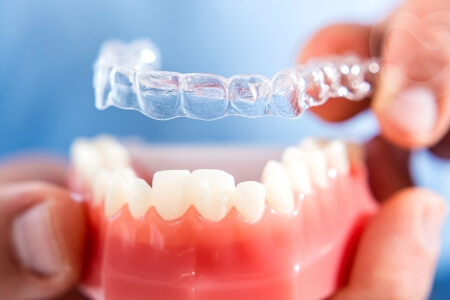
- With custom trays provided by a dentist
- Using Whitening Strips
- With Whitening Pens or Gels
- Through LED or laser treatments
However, the main difference among these choices is not just their convenience, but also their strength and supervision, the two main factors that have a lot to do with safety as well.
So, Is Teeth Whitening Safe?
If your teeth and gums are healthy, teeth whitening is safe. Dentists have been doing it for years, and regulated over-the-counter products are designed to be harmless when used as directed.
Where things tend to go wrong is usually because of overuse.
Overusing whitening products, leaving them on for longer than advised, or using multiple treatments in combination can cause problems. That's when the side effects of teeth whitening begin to appear.
What Are the Common Side Effects?
The two most common side effects of teeth whitening can be:
Tooth Sensitivity
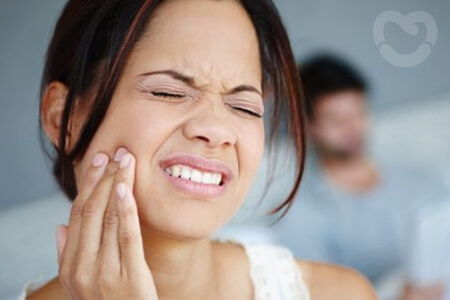
Whitening opens tiny pathways in the enamel, making the nerves more sensitive. So, you might experience a sharp zing when you drink cold water or hot tea. The good news: it’s usually only temporary, lasting for a few days.
Gum Irritation
If the whitening gel comes into contact with your gums, it may cause minor irritation. This usually occurs when the tray does not fit well or when too much gel is used.
Does Teeth Whitening Damage Enamel or Tooth?
One of the most common concerns regarding teeth whitening safety is with enamel or tooth damage. The truth is, when performed properly, whitening does not permanently damage the enamel, tooth structure, or nerves. The approved whitening products are designed to break down stains without damaging the outer protective layer of the tooth.
Temporary sensitivity may occur as the whitening agent passes into the enamel to remove the stains. This does not mean the enamel is being stripped off. When whitening is done on healthy teeth and gums, no harm is done to them.
Professional vs At-Home Whitening: Which Is Safer?
The difference between professional teeth whitening and at-home teeth whitening safety is the supervision.
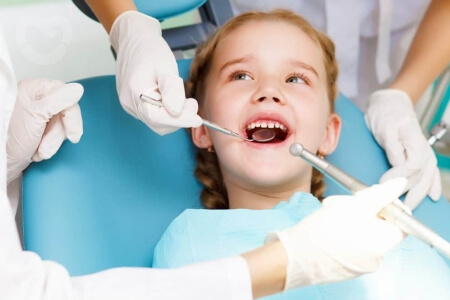
When teeth whitening is undertaken at a dentist's office, it is done in a controlled atmosphere. At first, your oral conditions are assessed, and depending on your preferred teeth whitening method, like bleaching or light-aided teeth whitening (Laser whitening or LED whitening), the necessary steps will be taken. During the bleaching, your gums will be protected; thus, if you have sensitive teeth, the process is best for you.
For at-home whitening, strips and kits are milder and are safe if you don’t overuse them and follow the usage instructions.
What is the Safe Teeth Whitening Frequency?
Professional teeth whitening can be done once every 6 to 12 months. The at-home kits sometimes come with an application period ranging from 1 to 2 weeks at a time. The repetition process may increase sensitivity. If your teeth start feeling constantly sensitive or look slightly chalky, that’s your signal to stop.
Who Should Avoid Whitening?
Teeth whitening is not for everyone.
If you have untreated cavities, gum disease, cracked enamel, or extreme sensitivity, it is best to put off teeth whitening. First, fix these problems.
Pregnant or breastfeeding women are usually recommended to wait before undergoing cosmetic teeth whitening. Teenagers should have their teeth bleached under professional supervision.
Also, whitening won’t alter the color of crowns, fillings, and veneers, which can result in inconsistent coloration if you’re not careful.
Is Teeth Whitening Safe for Sensitive Teeth?
Yes, but with caution. If you already have sensitivity issues, choose a lower strength and shorter treatment times. Using a desensitizing toothpaste a week before and a week after whitening also helps.
In most instances, dentist-supervised teeth whitening is considered the best and safest method for teeth sensitivity as it can be controlled to any desired level.
Are Natural Remedies Safe for Teeth Whitening?
Natural options are popular, but “natural” doesn’t always mean safe.
Charcoal whitening is trendy, but its safety is up for debate since it's an abrasive ingredient. With excessive usage, it can actually wear away the enamel.
Baking soda can remove surface stains, but overuse isn't ideal. Lemon juice or acidic DIY mixes? Those, for sure, are best avoided; they can take away enamel in no time.
When it comes to teeth, soft and gentle will always be better than aggressive and fashionable.
Final Thoughts - Is Teeth Whitening Safe for You?
For most people, yes. Whether you choose a professional treatment or an at-home kit, the key is moderation and awareness. Teeth whitening safety is not about avoiding the treatment altogether, but using it wisely. A whiter smile is absolutely achievable. Just make sure you're whitening smart, not overdoing it.
Frequently Asked Questions
Are whitening strips safe for teeth?
Yes, they are, as long as they are used as directed. Comparatively, they contain lower concentrations of bleach. However, overusing them or leaving them on too long can cause sensitivity or irritation of teeth and gums.
Is laser teeth whitening safe?
Yes, it is safe if performed by a dental professional. The laser helps activate the gel to work faster. The safety of teeth whitening by laser is not necessarily dependent on the laser, but rather on the application of it.
Is LED teeth whitening safe?
It is safe when done correctly. The light does not damage teeth; it simply enhances the effect of the whitening gel. Professional supervision reduces the risk of sensitivity or gum irritation.
Is teeth whitening safe for teenagers?
Teeth whitening is not advisable for young teenagers unless and until suggested by a dentist. Teeth are in their developmental stage, and whitening them may result in sensitivity. This must be done under guidance if considered.