.png)
It's hard for most patients to judge dentistry on technical grounds. Frankly, that's not what we are supposed to do.
The average person lying in a dental chair is usually unable to assess whether a procedure was complicated, whether a diagnosis was brilliant, or whether a dentist handled a challenge skillfully "behind the scenes."
However, patients can often come away from an appointment feeling strongly about the dentist they have met. They might feel a sense of relief right away, or perhaps a feeling of unease that they can't quite articulate.
This sense comes from details perceived during a normal appointment.
There's usually nothing outwardly flashy about an experienced dentist. Patients will identify the experience through their demeanor, method of communication, how they explain the problem, and the decision-making process throughout the appointment.
Ironically, much of the information that reveals an experienced dentist is available long before the main part of the appointment begins. Clinics like OneDentall who are experienced dental care providers, are an example that can be followed.
It's rare for experienced dentists to be "flashy." Their expertise comes from their behavior and manner.
Calm Demeanor When Explaining Problems
First and foremost, patients notice how calm a dentist is when discussing the diagnosis.
Less experienced practitioners might explain in a rushed, hesitant, or unconvincing way. Experienced dentists tend to communicate differently.
- They speak more steadily.
- They do not get irritated when a patient asks questions.
- Unexpected concerns do not usually unsettle them in any way.
This is crucial, as many patients arriving at a dentist already have anxiety.
People look for a calm demeanor to help them feel they are in safe hands. It's very reassuring.
A confident dentist will be noticeable in a consultation, but not in a way that is loud or pushy. The calm professionalism is reassuring to the patient.
They Take Time to Understand the Problem Before Discussing Solutions
Another characteristic to note is how long a dentist takes to examine and listen before immediately starting to suggest treatment.
This might surprise patients, who might assume a skilled dentist always works quickly. Experienced dentists often work more carefully in an evaluation because they understand the interrelated nature of oral problems.
A toothache might actually be linked to a bite problem; recurrent tooth sensitivity may have several contributing factors.
In more experienced dentists, there is an avoidance of early assumptions in an examination. Patients recognize this in the types of questions being asked, seeking out the patient's history and any previous dental treatment. This diagnostic diligence is often a better reflection of skill and experience than speed.
Communication is Key
One way patients can identify an experienced dentist is through the dentist's ability to communicate effectively. A patient's feelings during an appointment often depend on how well the dentist communicates.
Patients should feel comfortable enough to discuss their dental problems with a capable dentist without embarrassment or fear of humiliation because of embarrassment.
An experienced dentist will take their time explaining a patient's dental issue while being sympathetic to the fact that many people experience anxiety when they have to talk about an issue such as a toothache, pain, or the associated discomfort. These types of issues will generally be communicated in a friendly but professional manner to every patient, and in doing so, the dentist will accomplish establishing an initial rapport with each patient.
When the patient leaves the examination, he or she will have had the opportunity to receive complete and accurate information regarding the dental issue, how the issue can be repaired, and all of the various options for doing so without feeling an undue amount of pressure to make an immediate decision regarding any course of action.
When a patient trusts his or her dentist because of the level of transparency offered by the dentist, the dentist can establish realistic expectations even if the patient does not present the desired credentials when entering into the practice.
Realistic Expectations Are Standard Practice for Experienced Dentists
A key point that patients often initially overlook but later remember well is a dentist's tendency to give realistic expectations.
Less experienced practitioners might over-promise to reassure patients and to ensure the patient's commitment to treatment. An experienced dentist will usually mention limitations and potential discomfort involved in a procedure.
Patients may mistakenly interpret this honest appraisal as pessimism; however, they are much more likely to feel reassured by it as treatment progresses and are more likely to trust their dentist in the future. It sets a more transparent tone.
Many people are happy to receive an honest explanation of possible discomfort and treatment timelines from a trustworthy dentist, knowing that later they are less likely to feel disappointed or surprised by the outcomes.
Help for Nervous Patients
Nearly all people have a level of dental anxiety, and it is a more common feeling than anyone would think possible. Even before attending for their normal dentist appointment, which normally consists of a scale and polish, adults are still nervous.
A seasoned dentist knows all of the symptoms of this anxiety and can get an anxious person through their appointment more kindly, gently, and compassionately than a relatively inexperienced dentist. A seasoned dentist will have experience with an extremely large number of diverse types of people.
Straight away, it is much less overwhelming, and they seem much more friendly.
It is not the latest equipment or swanky decor that gives you confidence when meeting a seasoned dentist, but the empathy and training that come with human interaction and practice over many years. It is this security that the patient will retain in their memory long after leaving the dentist.
Structured Treatment Plans
An indication that a dentist is highly qualified is when they are asked the way that they go about setting up a treatment plan. They see things on a global level and consider the general welfare of the patients' dental health in general, the future stability of their bite, their long-term prognosis, and their future lifespan.
Patients can often see this when a dentist joins up each step of treatment and is not just giving the patients a specific answer to a specific problem, but an overall general approach to their dental care. This type of "worldview" tends to be one of the better indicators of the amount of time that a dentist has been practicing for.
People also tend to be a little more confident that when the proposed plan is one with stages, rather than a quick response, that they are not going to have just this one problem addressed and then that is all.
Patient Retention And Reviews Reveal Experience
Patients will rarely continue visiting a particular dentist for years purely for cosmetic reasons alone. It is generally due to trust that has developed from effective treatment and patient comfort over a long period of time.
Patient retention and positive reviews are both likely to reveal underlying issues. It's very important for us to know that most people say that their dentists give them clear explanations, handle appointments calmly, are efficient when administering a procedure, and treat every case of dental disease diligently, especially for serious conditions, when asked about what makes a good dentist.
The only reason that a patient will stay for an extended period is usually that they are assured of the care they receive and trust the dentist completely.
Technology versus Experience
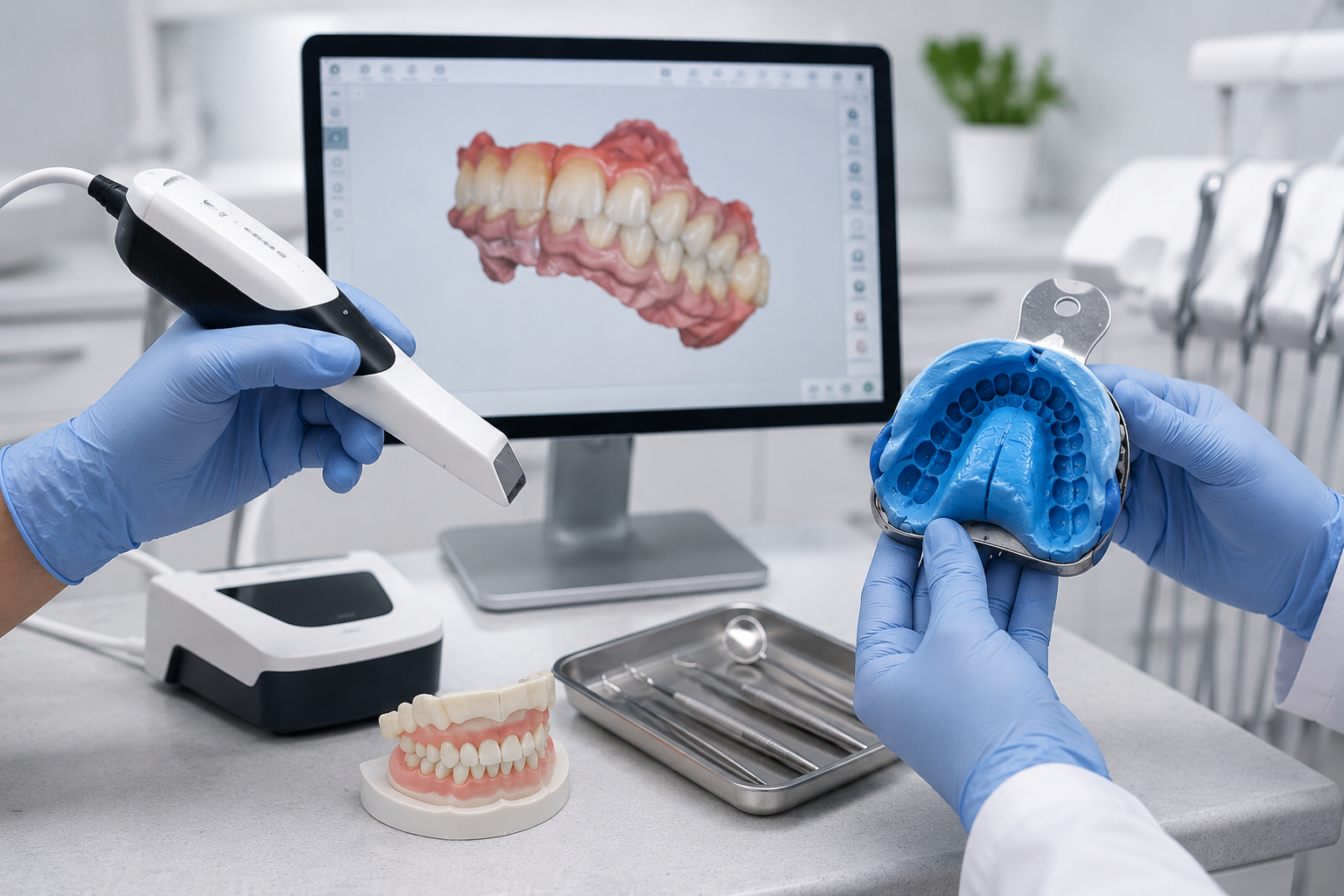
Technology in dentistry greatly improves the quality of treatment. However, patients often assume that modern technology automatically means they are receiving state-of-the-art treatment from a knowledgeable dentist. Digital scans, imaging, and advanced treatment instruments help to diagnose and carry out treatments with a higher degree of precision.
Nevertheless, no technological advancement can substitute for clinical judgment honed by experience, enabling a dentist to work efficiently and to anticipate potential challenges encountered during procedures, using his or her own judgment to make decisions during each examination, with confidence and certainty that each decision is the correct one. Experienced dentists usually communicate their expertise clearly and help patients feel comfortable.
Onedentall focuses on the patient, providing a comfortable experience and encouraging confident decision-making.
Whether it is the initial examination for routine check-ups or ongoing care for a complex treatment, patients will always remember comfort at the dentist, especially after being so reassured.
Final Thoughts
Most patients are unable to comment clinically on dentistry. They are generally aware of how dentists handle their queries about problems.
They also observe how dentists present potential treatment solutions. An experienced dentist is often noticeable because their approach feels different.
They tend to have consultations that feel calmer and give a clear and coherent explanation of what is being discussed. They make their patients feel more confident in every treatment process.
And the confidence gained is vitally important when discussing and undertaking treatments that will affect your pain levels, your oral health, and your personal appearance, all in one process. They show that you have confidence to let the dentist make the right decisions and feel comfortable trusting them and their skills.
You can always contact or visit OneDentall to get a comprehensive understanding and the utmost care for your dental health and oral hygiene.
FAQs
1. How can patients identify an experienced dentist?
Patients often notice calm communication, organized treatment planning, confident explanations, realistic advice, and steady handling of dental concerns during appointments.
2. Why does communication matter while choosing a dentist?
Clear communication helps patients understand their dental condition, treatment options, expected outcomes, and overall oral health more comfortably.
3. Do experienced dentists handle nervous patients differently?
Yes, experienced dentists usually recognize dental anxiety more quickly and often communicate more patiently to help patients feel calmer during treatment.
4. Is modern technology enough to judge dental expertise?
No, technology improves treatment support, but clinical judgment, patient handling, and practical experience still play a major role in dental care quality.
5. Why do realistic treatment explanations matter?
Honest explanations help patients build accurate expectations regarding procedures, timelines, recovery, maintenance, and possible treatment limitations.
_O1D2jGG.png)
_4PGBK7c.png)
_D4INuQY.png)
_2Tips8C.png)