
In India, the moment you talk about your tooth problem, family members, friends, and even neighbours start advising and sharing home remedies. But the irony is, even today, most Indians avoid visiting the dentist and getting professional treatment, as it is believed that these dental treatments may damage the teeth, which is a myth. In fact, ignoring the dental problems and not getting timely treatment can only worsen them.
In this blog, we will look at some common dental myths in India that people still believe and then provide accurate information about those myths in simple terms.
Why Dental Myths are so Common In India
These myths have deep rooted in the minds of people, and this is due to cultural and traditional beliefs, lack of awareness, high cost, and the fear of losing teeth. People in the rural area often rely on home remedies, like using neem twigs, charcoal, and salt to brush their teeth. Pregnant women are stopped from visiting the dentist as it might cause harm to the foetus.
That is not all, tobacco is believed to relieve pain and strengthen gums, but the fact is that it causes severe damage to teeth and oral health. You will get a big list of these kinds of remedies, which are passed down through generations, and people are following them without understanding the harm they will cause in the long run. Learning about the dental myths and facts has become vital.
Common Dental Myths Vs Facts
Myth 1 - Scaling Weakens Teeth
Teeth cleaning, also known as scaling, is often believed to make teeth loose or weak. Many people in India avoid this procedure for this reason. In reality, this cleaning removes the hard plaque that builds up around the teeth and gums. When this plaque is removed, existing gaps and gum damage become visible, which people wrongly think is caused by the cleaning itself. In fact, the procedure helps keep both the teeth and gums healthy and prevents further problems.
Myth 2 - Baby Teeth Don’t Need Treatment
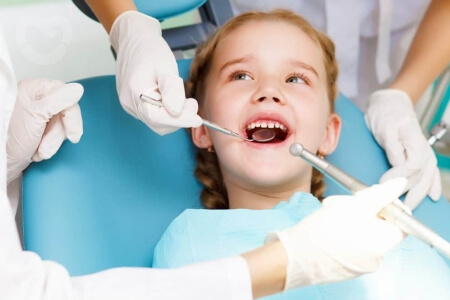
The most common oral health myth is that baby teeth need not be treated for cavities and other problems as they fall out eventually. The fact is, teeth help babies in chewing, speaking, and supporting the permanent teeth to erupt in the correct position. If the infection is left untreated, it can spread to the roots and affect the permanent tooth developing underneath. So, it is important to treat the problems at the early stage and prevent future dental problems in kids.
Myth 3 – Brushing Harder Cleans Better
Many people assume that brushing with force cleans the teeth better and makes them whiter. But the fact is something else. Brushing harder often damages the enamel, leading to tooth sensitivity. It also hurts gums, causing swelling and bleeding. Proper brushing depends on the technique and not on the force applied. So, using a soft-bristle toothbrush and cleaning in circular motion is enough to keep teeth healthy and clean.
Myth 4 – White Teeth Mean Healthy Teeth
Many people believe that the colour of their teeth is a measure of their oral health. They believe that white teeth are a sign of healthy teeth and gums. However, this is not true because even if the teeth are white, they can still be infected with cavities or gum disease. Moreover, yellow teeth can still be healthy and strong. Healthy teeth are not just white but also free from infection.
Myth 5 – Sugar Alone Causes Cavities
This is a very common misconception among people that sugar is the only reason for cavities to develop. The fact is, cavities develop when bacteria in the mouth mix with sugary foods that we eat and produce acids that damage the surface of the teeth. Lack of proper oral hygiene and eating too many snacks can raise the chances of developing cavities, which, if left untreated, can cause tooth decay and root damage.
Myth 6 – Tooth Extraction Can Affect Eyesight Or The Brain
Another myth that is deeply embedded in the minds of the people is that the nerves of the teeth, eyes, and brain are all connected, and therefore, the extraction of a tooth can hamper the eyesight and brain. The truth is that, medically speaking, there is no correlation between the extraction of a tooth and the eyes or brain. However, if the tooth is not extracted, it can lead to the infection spreading to other parts of the body. Therefore, to avoid any complications, it is always better to have the tooth extracted.
Myth 7 – Dental Implants Are Unsafe
Some individuals may think that dental implants are not safe, as they are artificial and inserted inside the jaw. This is normally due to a lack of information about the process. The reality is that dental implants are made of materials that are safe for the human body and are meant to function in the same way as natural roots. Dental implants are therefore safe and effective for use in replacing missing teeth.
Myth 8 – Root Canal Treatment is Painful
Root canal procedures are feared by many because they think it is going to be very painful. This is because of past experiences that were not as advanced as they are today. However, root canal procedures are done using proper anaesthesia, making it comfortable for the patient. The procedure is intended to eliminate the infection and the pain, not cause it. In most cases, the pain caused by the infection is worse than the procedure itself.
Myth 9 – Tobacco Reduces Tooth Pain
Some people believe that chewing or using tobacco can help alleviate tooth pain. This is a very dangerous belief. While it may cause numbness, it does not cure the cause of the pain. It actually causes damage to the gums, teeth staining, and the development of serious oral diseases such as oral cancer. Tooth pain should be addressed by a dentist, and chewing tobacco only makes it worse.
Myth 10 – Natural Treatments Are Safer Than Dental Treatments
One common belief is that home remedies are safer than professional dental care. Because of this, people often rely solely on home remedies and never go to a dentist. The truth is, home remedies may provide temporary relief but will never heal an infection or fix a damaged tooth. Modern dental care is tested for safety and is intended to address the source of the issue. Good dental hygiene and good habits are the safest way to keep your teeth healthy.
Dangers of Believing Dental Myths and How to Avoid
Paying attention to dental myths can lead to
- Delayed diagnosis and treatment
- Increase in the severity of the problem
- Higher risk of losing teeth
- Increase in treatment cost
- Impacts overall health, including the brain and heart
You will come across several dental care myths related to wisdom teeth, fluoride toothpaste, teeth whitening, braces, mouthwash, gum disease, and so on. It is important to get advice from qualified dentists rather than listening to tips from family and friends. One should not blindly believe in home remedies shared on WhatsApp and YouTube. Ask your dentist for a proper explanation before trying any treatment.
Choose Facts Over Dental Myths
Dental myths are just passed down from one generation to another and are not medically supported. Though some myths are harmless, they may lead to a delay in the treatment, turning minor problems into complex ones. Understanding dental myths and facts is important not just to keep your teeth and gums healthy but also to take care of your overall health.
Frequently Asked Questions
1. Is fluoride harmful for teeth?
This is a fluoride myth. When used in the right portion, fluoride helps strengthen the enamel and prevent cavities.
2. Can teeth be whitened naturally at home?
The fact is, the natural colour of the teeth cannot be changed with home remedies. You can make it look cleaner by brushing and flossing regularly. Also, rinsing your mouth after eating and having crunchy fruits can help remove the stains on the surface.
3. Is it a braces myth that they damage teeth?
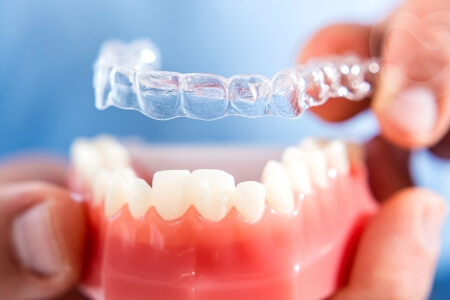
Yes, it is a myth that braces damage teeth. Braces are meant for correcting tooth alignment and with proper oral hygiene, your teeth can remain healthy.
4. Is it true that cavities in babies are not serious?
This is one of the common baby teeth myths. In reality, milk teeth help with chewing, speaking, and guiding the permanent teeth. So, when you notice the early signs of cavities in babies, visit a pediatric dentist.