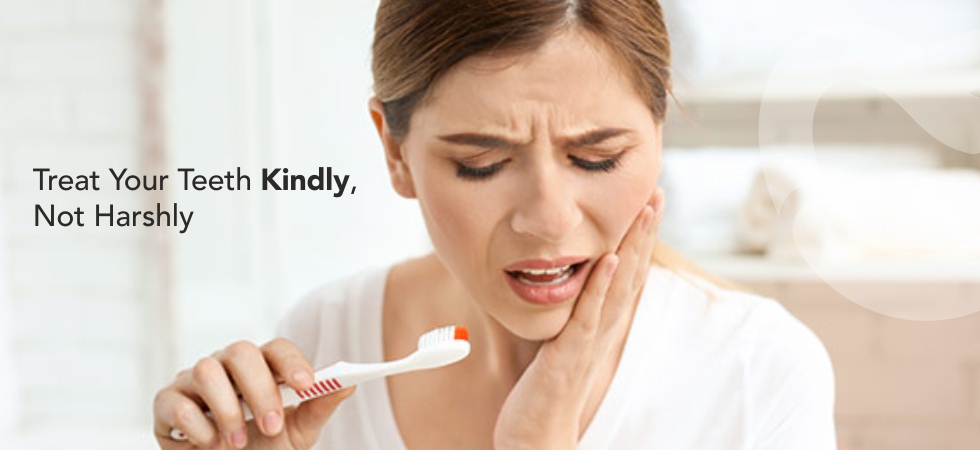
Dental health is often taken for granted by adults until pain arises. Bleeding gums, sudden sensitivity to hot or cold items, and a mild toothache are ignored with the thought that they will subside on their own. Unfortunately, these minor problems become worse when not treated at the initial stages. What once seemed to be a mild pain can gradually turn into a situation where the patient suffers for a long time and goes through complex dental treatment.
The blog discusses the most common dental problems among adults, the reasons for their occurrence, and the ways to deal with them early to secure the long-term health of the mouth.
Why Dental Problems Are Common In Adults
Dental issues often develop over a period of time. This could include daily activities like poor brushing of the teeth, overconsumption of sugar products, smoking, high levels of stress, or failing to visit the dentist regularly. Some medications may also increase the risk of dental issues.
Since many types of dental problems in adults have no symptoms, people often ignore them until they experience pain or visible problems.
Most Common Dental Problems in Adults
Here are some of the most prevalent dental issues in adults. Knowing these conditions will help you identify symptoms early and seek treatment before the condition worsens.
Tooth Decay and Cavities in Adults
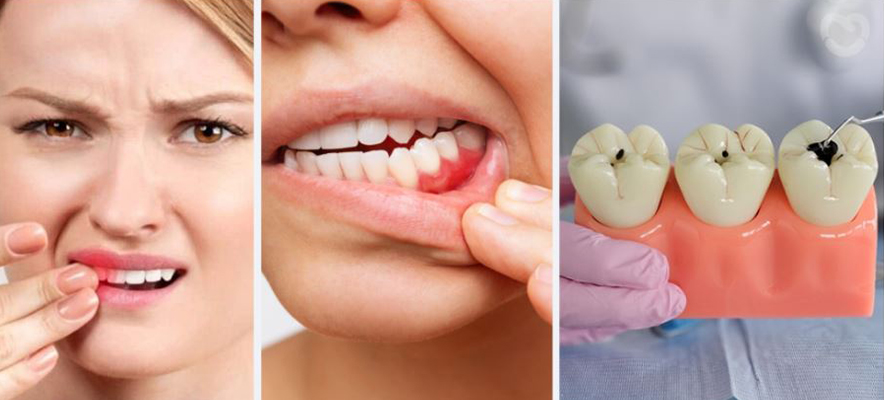
Tooth decay is one of the most common dental problems. It occurs when plaque accumulates in the mouth and produces acids that damage the enamel. This causes holes, known as cavities. Cavities in adults tend to develop around the gum line or between teeth, which are more difficult to clean. In the early stages, cavities may not be painful, and people tend to neglect them. When this dental problem worsens, it may lead to sensitivity and discomfort.
Tooth decay treatment depends on the severity of the problem. For minor cavities, fillings are used to treat them, while crowns or a root canal may be required for more severe cases of tooth decay. Untreated tooth decay can cause infections and even lead to tooth loss.
Toothache
A toothache is usually a sign that something is not right. The pain from a toothache may be mild, sharp, or constant, and it may worsen when you chew or drink hot or cold substances. Tooth decay, a cracked tooth, an infection, or gum disease are some of the causes of a toothache.
Home remedies may provide temporary relief, but they won’t solve the underlying issue. If the toothache persists, it is important to visit a dentist.
Bleeding Gums
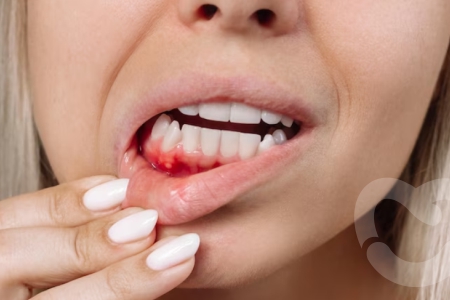
Bleeding gums are often ignored if they are not painful. However, it is necessary to understand why gums bleed. The most common reason for bleeding gums is the accumulation of plaque along the gum line.
If it is not treated, gum inflammation can progress to an advanced gum disease, which is known as periodontitis. Bleeding gums cause damage to the gums and the bone that supports the teeth, leading to tooth loss in adulthood.
Tooth Sensitivity
Tooth sensitivity is quite common for many people. It usually appears when the enamel weakens or when the gums recede and expose the sensitive layers beneath the tooth. This makes eating a painful experience since the sensitive layers of the tooth can react to hot or cold substances consumed.
The sensitivity may also result from conditions such as decay, gum disease, aggressive brushing, and worn-out fillings. By tackling the source of the sensitivity, not only will the discomfort be alleviated, but also future problems will be prevented.
Bad Breath (Halitosis)
Halitosis, or bad breath, is a concern found in many adults, causing embarrassment. The fact is, occasional breath odour is normal, but persistent bad breath may be associated with common oral health problems. The presence of bacteria between the teeth, which is often a result of oral infection or dry mouth, can be one such cause.
Practising good oral hygiene, which involves brushing, flossing one's teeth, tongue cleaning, and staying hydrated, can go a long way in reducing bad breath. In case the condition persists, a visit to the dentist can help identify the underlying cause.
Caring for Your Teeth as an Adult – Why Is It Important?
The natural self-repairing ability of the body declines with age in adults. The teeth and the gums lose their power to heal, or they take a longer time to heal, so even a minor dental issue can become a serious one if not treated promptly. Therefore, dental care is a must in adult life.
Simple Solutions for Dental Issues in Adults
Good oral habits are the solution to most dental problems. Getting professional help is important, but preventive care plays a major role in maintaining oral health. Simple things that you should do are:
- Brush with fluoride toothpaste twice a day
- Floss Regularly
- Limit intake of sugary foods
- Drink adequate water
- Avoid smoking and chewing tobacco
- Regular dental check-ups
When To Visit A Dentist
In case dental issues like tooth pain, bleeding gums, sensitivity, or smelly breath do not get better even after good oral care, it is advisable to go to a dentist. Detecting dental problems and solutions at the earliest possible stage not only makes a patient pain-free but also saves the time, effort, and money that would have been spent on the more complex treatments.
Take Care of Your Dental Health
Oral hygiene is a crucial factor in maintaining good health. The majority of dental issues can be easily prevented or controlled through early detection and proper oral care habits. Tooth decay, gingivitis, cavities, and other similar dental problems in old age often develop without giving any early signals, but if left untreated, they can eventually cause serious concerns. So, knowing about the dental problems, symptoms, and getting timely treatment can help adults have healthy teeth and gums.
Frequently Asked Questions
1.What is the 3-3-3 rule in dentistry?
This is a simple oral care rule, which means brushing 3 times a day for at least 3 minutes and visiting the dentist once in 3 months. This routine helps keep the teeth clean and get timely help from the dentist.
2.How to treat toothache during pregnancy?
Pregnant women should never ignore toothache and reach to home remedies like rinsing their mouth with warm salt water and taking cold compress in case of swelling. It is advised not to take painkillers without a doctor’s prescription. To avoid further complications, visit a dentist and let them know about your pregnancy so that they can prescribe medications accordingly.
3.How to fix cavities?
Cavities won’t heal on their own once they have formed. Minor cavities are normally fixed with fillings. However, more advanced cavities may be set right with either a crown or a root canal. The very best thing to do in the case of cavities is to have them treated before pain occurs.
4.What diseases cause dental problems?
There are certain health conditions that increase the possibility of having dental problems. Some of these conditions are diabetes, which leads to gum disease, and acid reflux disease, which results in erosion of the enamel in teeth. In addition, women's bodies are continuously changing in different phases of their lives, which can influence gums as a result of the changing levels of certain hormones in their bodies.
5.Can a bad tooth cause other problems?
Undoubtedly, a decayed tooth can cause many troubles, for instance, the nearby areas getting infected. Pain from a tooth can be so intense that sometimes eating becomes difficult and may affect comfort on a daily basis. Hence, timely treatment of dental issues aids in the prevention of larger health problems.